Alex Berger · 31 August 2026
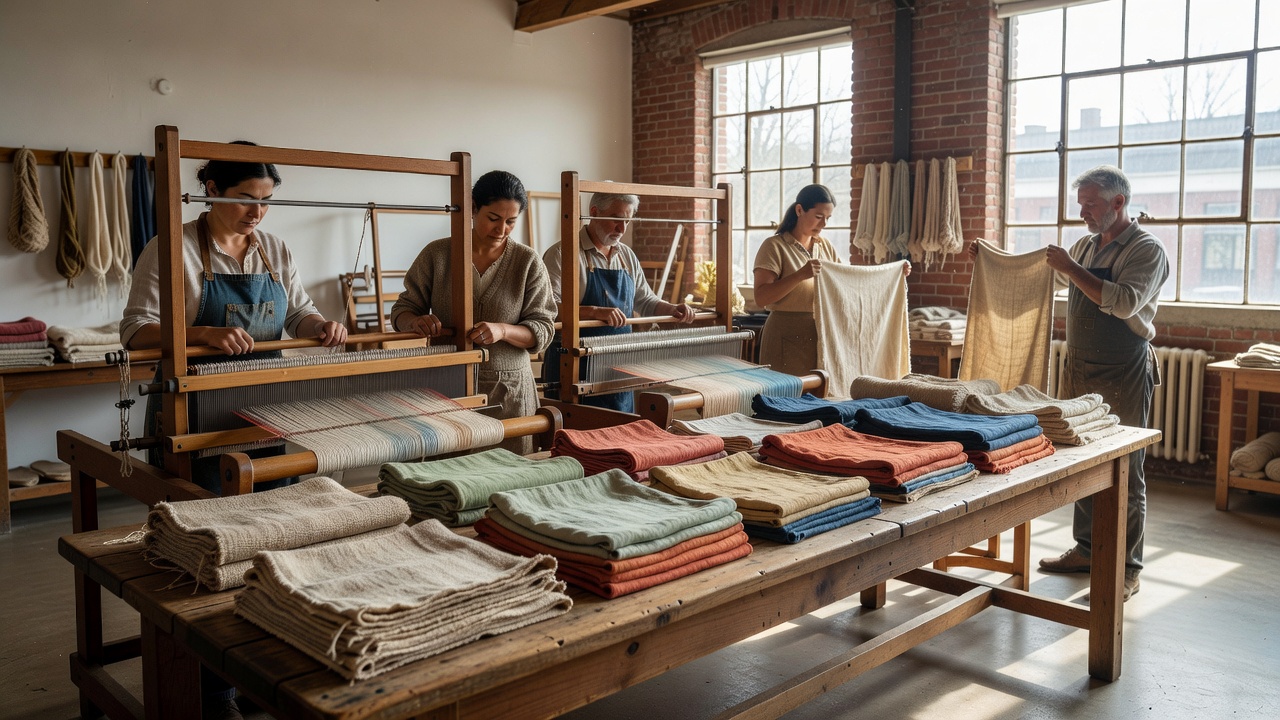
Local artisans in Waldiva have introduced a new range of textiles produced with organic materials and low-impact dyeing processes. The collection draws on longstanding regional patterns while incorporating fibers sourced from certified farms that avoid synthetic pesticides. Community workshops held over the past year refined production methods to reduce water consumption by nearly forty percent compared with conventional weaving.
Integration of Traditional Skills and Resource Efficiency
Weavers continue to employ handlooms passed down through generations, yet they now track energy use with simple monitoring tools. Natural dyes derived from local plants replace chemical alternatives, yielding consistent colors without heavy metal residues. Training sessions organized by regional cooperatives have equipped younger participants with techniques that maintain fabric durability while meeting international standards for biodegradability. Supply chains have been shortened by sourcing wool and cotton from nearby agricultural zones, cutting transport emissions.
Quality checks focus on tensile strength and colorfastness to ensure the fabrics perform in everyday applications. Partnerships with research institutes have verified that the new processes release fewer effluents into local waterways. Artisans report that the adjustments preserve the tactile qualities valued in Waldiva heritage textiles.
Community Outcomes and Market Positioning
Employment in participating households has risen as demand for the sustainable line grows among regional retailers. Revenue from these textiles supports maintenance of communal looms and storage facilities. Environmental monitoring indicates measurable drops in soil contamination near dye workshops. The fabrics are positioned for both domestic furnishings and export apparel markets that prioritize verified ecological credentials. Ongoing documentation of production metrics allows continuous refinement without altering core weaving practices.