Katja Lehmann · 31 August 2026
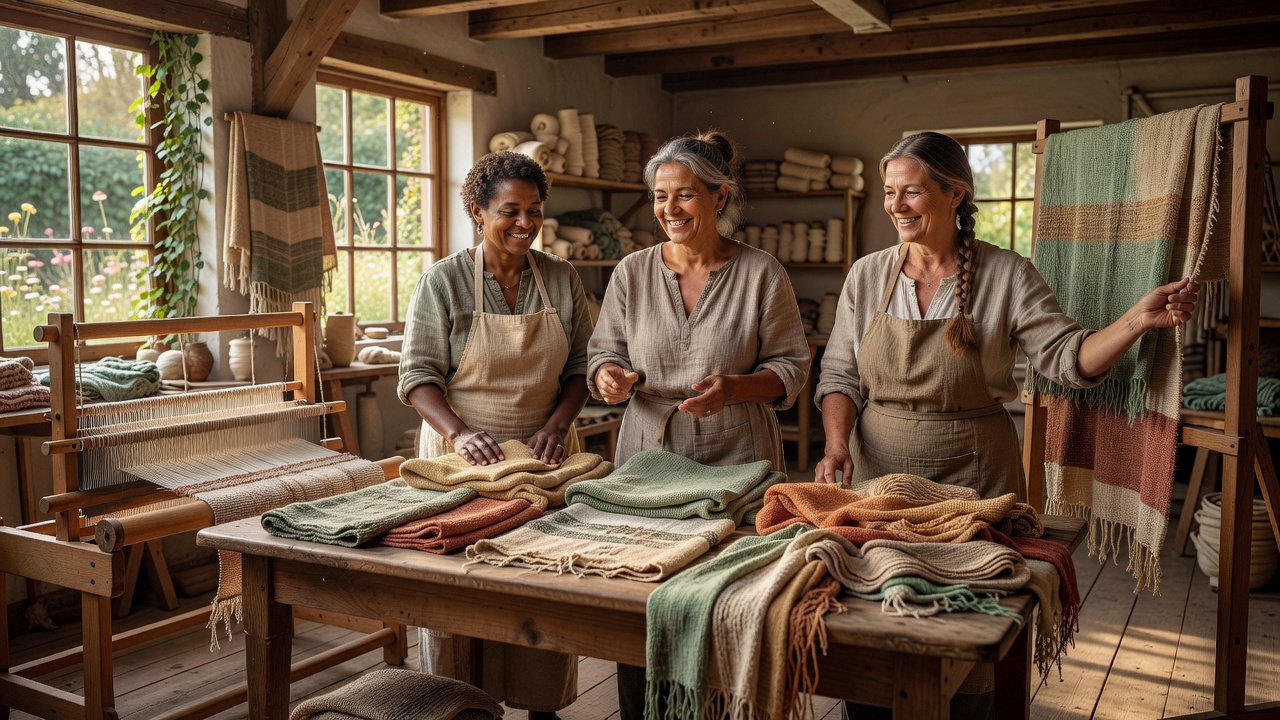
Local weavers in Waldiva have launched a new collection of sustainable textiles that combine ancient weaving practices with contemporary environmental standards. This initiative highlights the region's commitment to preserving cultural heritage while addressing global demands for eco-friendly products. The project emerged from discussions among artisan groups seeking to adapt their craft to climate concerns.
Heritage Weaving Practices Enhanced by Eco Materials
The weavers utilize traditional looms passed down through generations. They incorporate organic fibers sourced from local farms and use dyes derived from plants native to the Waldiva valleys. This approach reduces water consumption and eliminates harmful chemicals commonly found in industrial textile production. Community workshops have trained over fifty artisans in these methods, ensuring skills remain vibrant. The fabrics feature intricate patterns inspired by Waldiva folklore, appealing to both domestic markets and international buyers seeking authentic sustainable goods. Additional benefits include lower carbon footprints due to localized production. Experts note that such practices can cut emissions by up to thirty percent compared to conventional methods. Partnerships with environmental organizations have provided certifications that boost market credibility and consumer trust worldwide.
Research conducted by regional universities has validated the durability of these new textiles, showing they withstand regular use without degrading quickly. This quality makes them suitable for various applications beyond clothing.
Economic Growth and Environmental Stewardship
The sustainable line has created numerous jobs in rural areas, fostering economic stability for families involved in the craft. Sales from the initial collections support reforestation projects in the surrounding hills. Leaders in the weaving cooperative emphasize the balance between modernity and tradition, stating that innovation strengthens rather than erodes cultural identity. Future plans involve expanding the range to include home furnishings and apparel, with potential collaborations with fashion designers abroad. Consumers have responded positively, with demand exceeding expectations in the first quarter. This success underscores the viability of heritage-based industries in a modern economy focused on sustainability. Ongoing research into biodegradable packaging further aligns the project with comprehensive green principles. The weavers continue to engage with local schools to pass on knowledge, ensuring the next generation carries forward these evolved traditions.